Planning crane access for a construction site
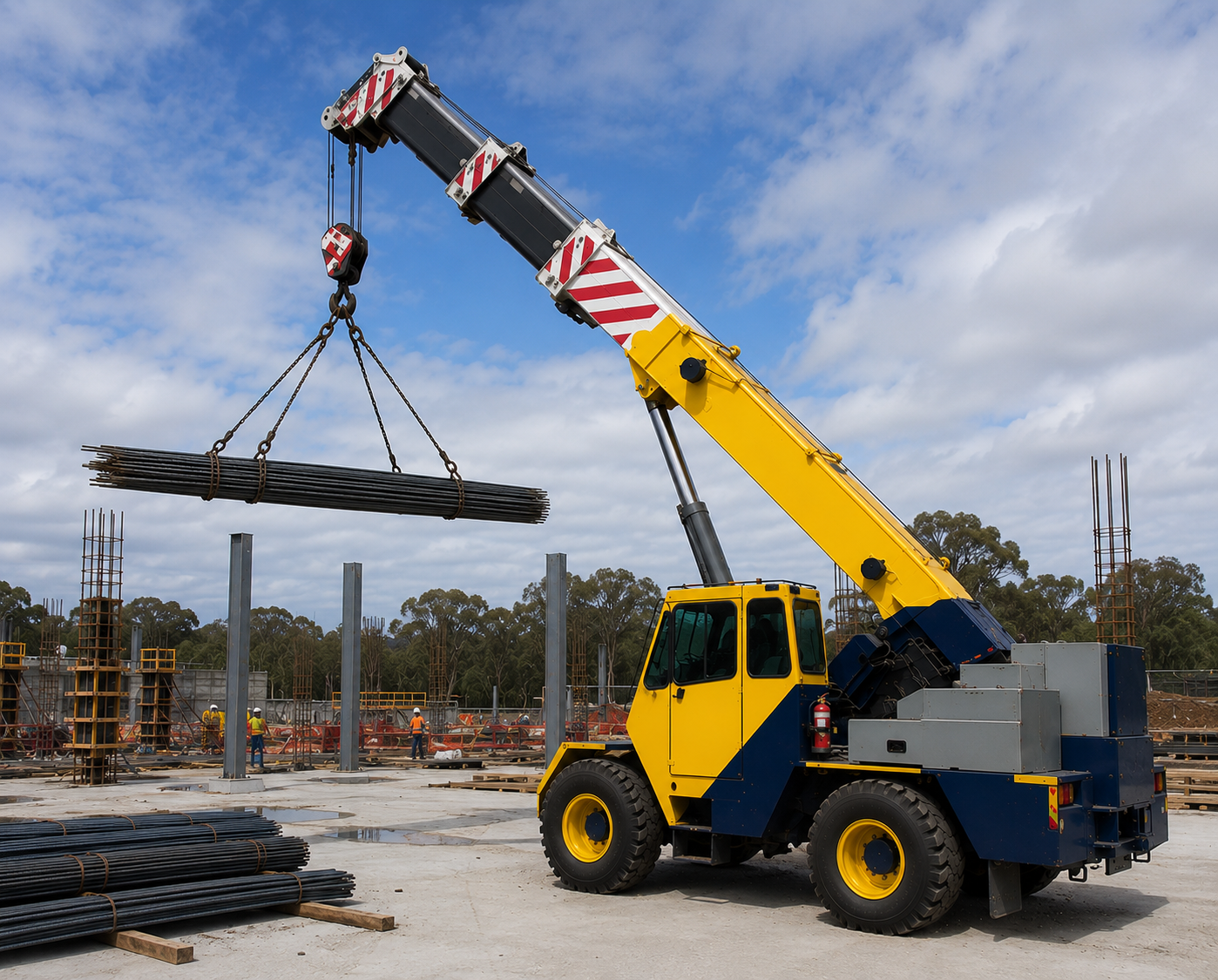
Construction crane hire is most effective when access and lifting requirements are considered before the crane arrives. A clear working area, accurate load information and coordination with the site program can prevent avoidable delays.
Whether the project involves residential construction, a commercial development, civil works, an industrial facility or suitable high-rise work, the following checks can help prepare the site.
Start with the load
Identify what needs to be lifted, its verified weight, dimensions and approved lifting points. Structural steel, machinery, equipment and site boxes each require different information and handling arrangements.
Provide drawings, specifications and photos where available. If several items will be lifted, list them separately and explain the required order so the operator can understand how the work fits together.
Choose a practical crane position
The closest position to the load is not automatically the best working position. Access, surrounding structures, ground conditions and the final placement all need to be considered.
Discuss the proposed setup area early and avoid storing materials there. The route from the site entrance should also remain clear enough for the crane to reach the planned position.
Review overhead and surrounding hazards
Powerlines, building edges, scaffolding, trees, temporary structures and other equipment can affect the available working space. These constraints should be identified and communicated before the lift.
The site team should also consider pedestrian routes, vehicle movements and neighbouring work areas. Clear separation from unrelated site activity helps the lifting team focus on the task.
Consider ground and access conditions
Construction sites can change quickly. Excavations, soft ground, stored materials and temporary access routes may differ from the conditions shown in earlier photos.
Provide current information and notify the crane provider if the access route or working area changes. Ground suitability and site preparation should be assessed by the responsible project personnel.
Coordinate with trades and deliveries
A lift may require an access road, loading area or part of the building footprint to remain clear. Confirm the timing with affected trades and suppliers so vehicles and materials do not block the crane position.
For steel erection or equipment installation, ensure the receiving team is ready and has the information needed to guide placement. Delays can occur when the load arrives before the supporting work or installation crew is prepared.
Prepare clear placement instructions
The operator needs to know where the load is going and how it should be oriented. Marking or confirming placement points can reduce confusion, particularly when several similar components are being installed.
Allow for any temporary supports, connection work or final adjustments managed by other trades. These responsibilities should be discussed before lifting begins.
Construction lift planning checklist
- Verified load weights and dimensions
- Approved lifting points
- Current site and access photos
- Proposed crane working position
- Overhead and surrounding constraints
- Placement locations and lift sequence
- Site supervisor and trade coordination
- Preferred date and project program requirements
Arrange construction crane hire
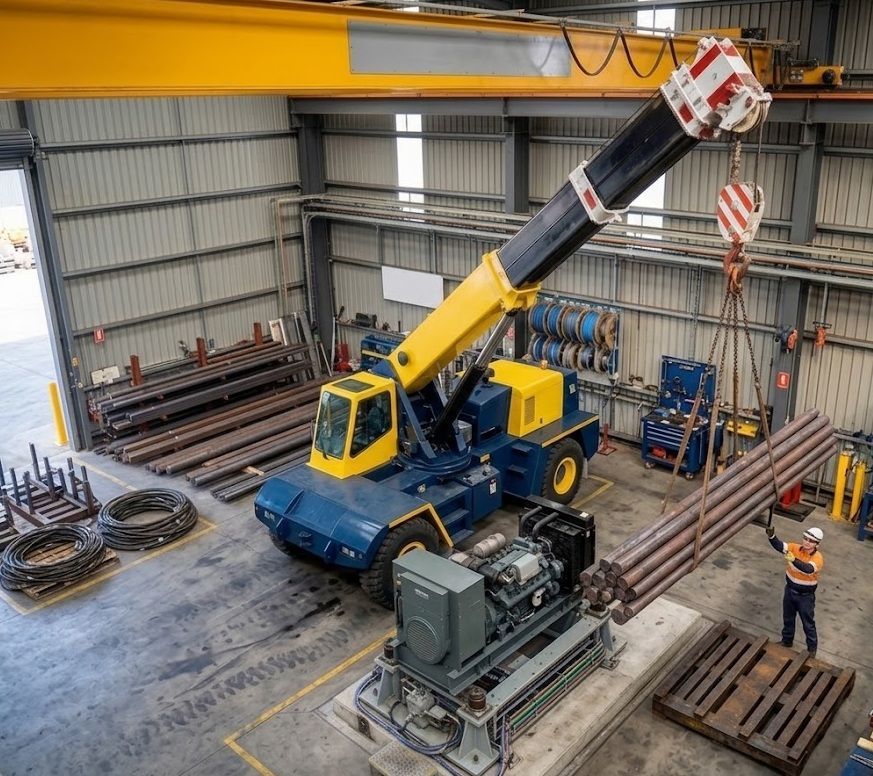
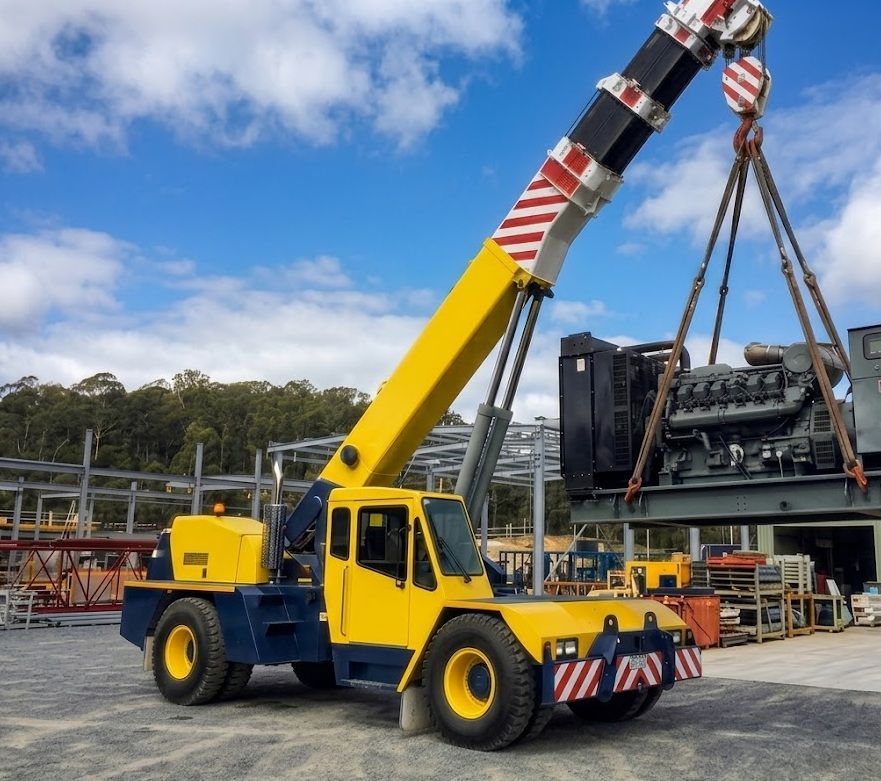
KGR Cranes provides construction site lifting for machinery, plant, structural steel, equipment, site boxes and suitable high-rise works. Our MAC 25 Superlift Franna crane supports projects within approximately 60 km of Glendenning.
To discuss an upcoming construction lift, contact KGR Cranes with the load details, site location, access information and preferred timing. Early information helps our experienced operators understand the project and prepare for the work.