What to consider before lifting or relocating a site box
Site boxes provide practical office, storage and amenity space on construction and industrial sites, but moving one requires more preparation than simply booking a crane. The unit, access conditions and final placement all affect how the lift should be approached.
Providing accurate information early helps the crane operator understand the work and identify any details that need to be resolved before the move. The following points can help builders, contractors and project managers prepare for site box lifting and relocation.
Confirm the site box details
Start by identifying the type and approximate dimensions of the site box. A standard storage container, fitted site office and amenities unit may have different weights, lifting points and internal contents.
Where possible, provide the manufacturer’s specifications or other reliable weight information. It is also important to explain whether the unit is empty, fitted out or storing equipment. Items inside the site box can change the overall weight and affect its balance during lifting.
Check the lifting points and condition
Purpose-designed lifting points must be accessible and in suitable condition. Damage, corrosion, modifications or obstructed lifting points should be raised before the crane arrives.
If there is uncertainty about how the unit can be lifted, discuss it with the relevant project team early. This allows time to confirm the lifting arrangement instead of trying to resolve the issue while other site activities are waiting.
Review access at both locations
A relocation involves two working areas: the pickup point and the placement point. Both need suitable crane access and enough room for the lifting operation.
Consider gates, temporary fencing, parked vehicles, overhead services, nearby structures, ground conditions and active work zones. The route between the site entrance and working position should also be checked for restrictions.
For an on-site move, the distance may be short, but the new position can still create different access or clearance requirements.
Prepare the placement area
The destination should be ready before lifting begins. Confirm the site box orientation, door direction and required clearances so the operator and site team understand the intended final position.
The supporting surface or foundations should also be prepared by the appropriate trades. A crane operator can position the unit, but the project team remains responsible for ensuring the receiving area is suitable for the structure.
Coordinate the lift with site activities
Site box moves can affect access roads, delivery zones and nearby trades. Schedule the work when the lifting area can be controlled and when the people needed to guide the placement are available.
Clear communication between the crane operator, site supervisor and relevant workers helps prevent conflicting movements around the lift area. It also reduces delays caused by vehicles, materials or equipment being left in the working zone.
Information to provide when requesting a quote
When enquiring about site box lifting, provide:
- The site box type, dimensions and approximate weight
- Details of internal fixtures or stored items
- Photos of the unit and lifting points
- The pickup and placement locations
- Access information for both working areas
- The required placement orientation
- Your preferred date and site contact
Plan the move with KGR Cranes
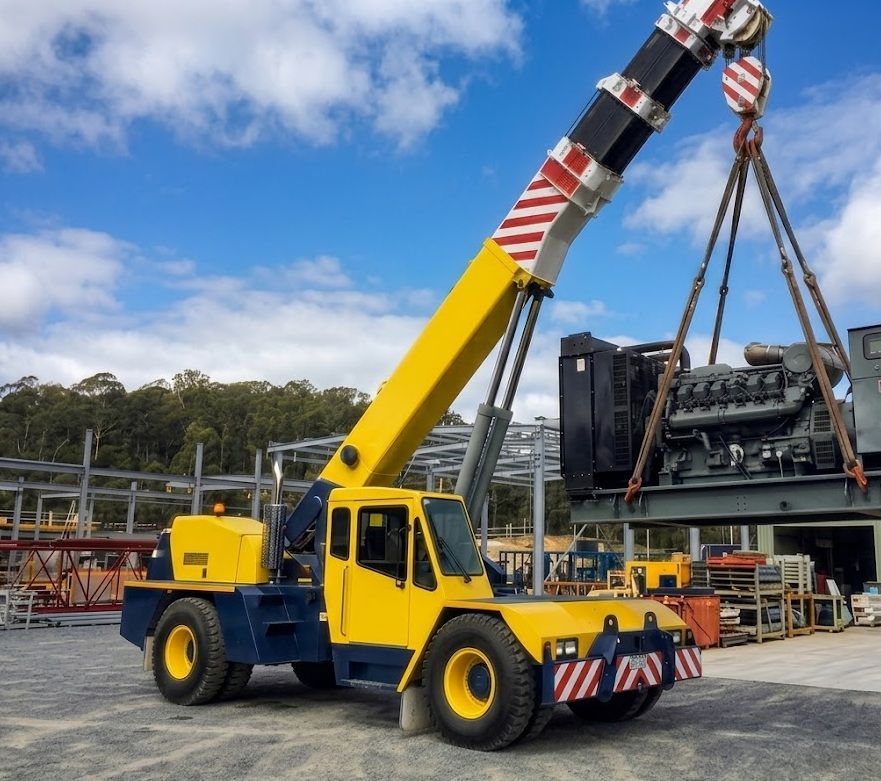
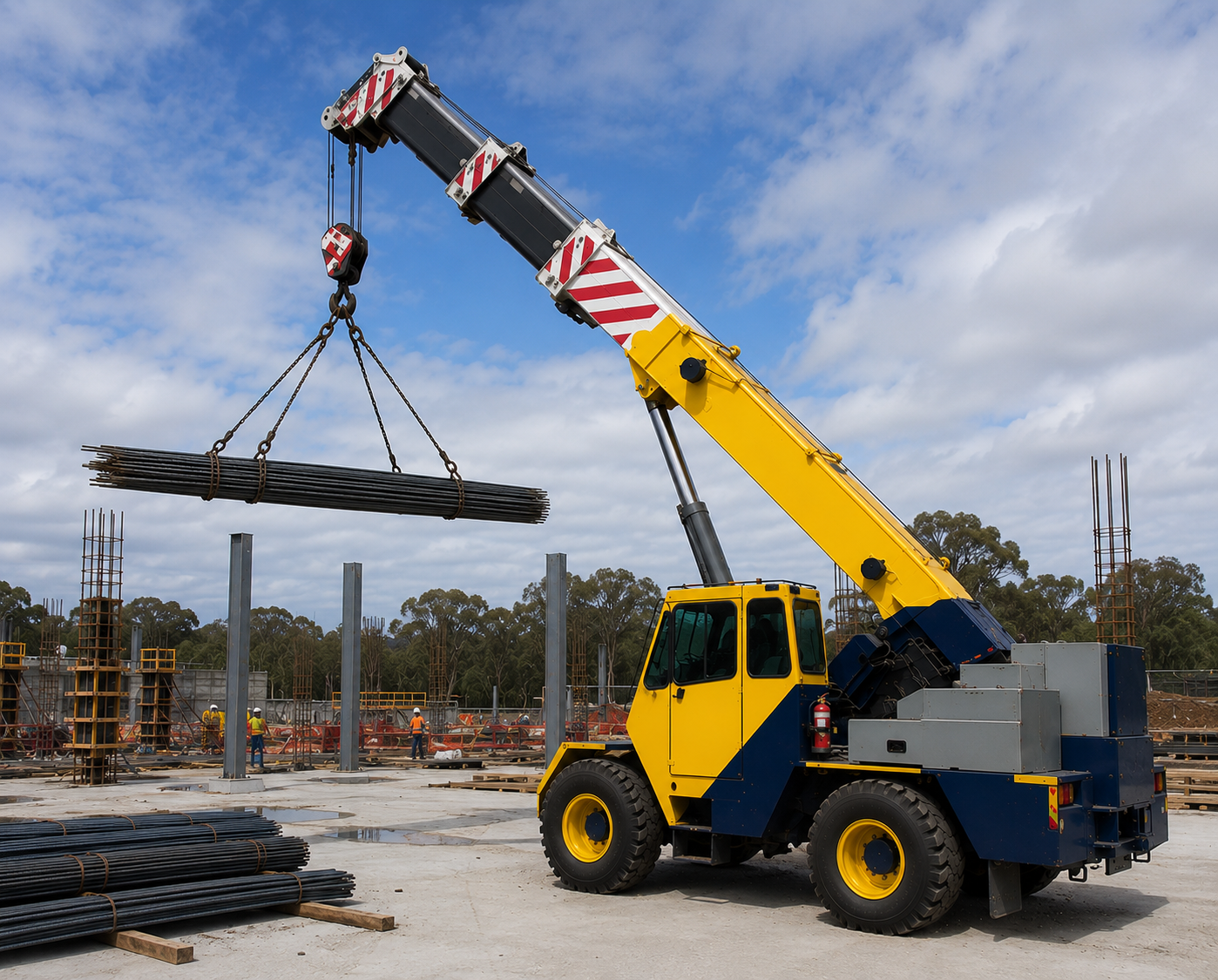
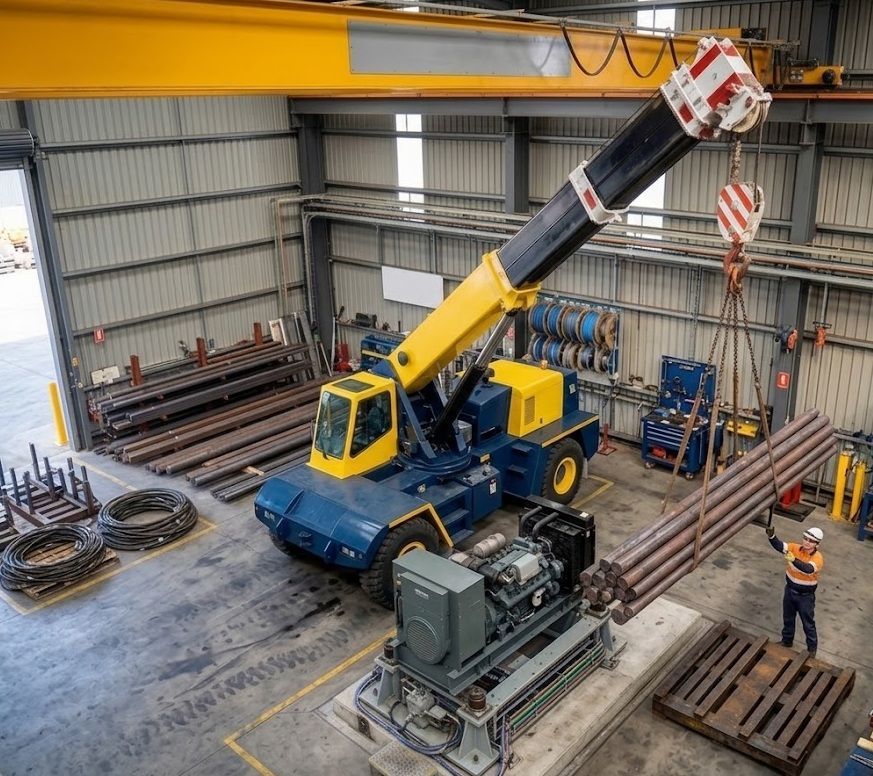
KGR Cranes provides site box lifting and relocation within approximately 60 km of Glendenning. Our experienced operators use a MAC 25 Superlift Franna crane to support planned lifts across construction, commercial, civil and industrial sites.
If you are preparing to move a site box, contact KGR Cranes with the unit details, site location and access information. Our team can discuss the lifting requirements and the next steps for your project.